

Maritime Communication Infrastructure: Ensuring Connectivity at Sea
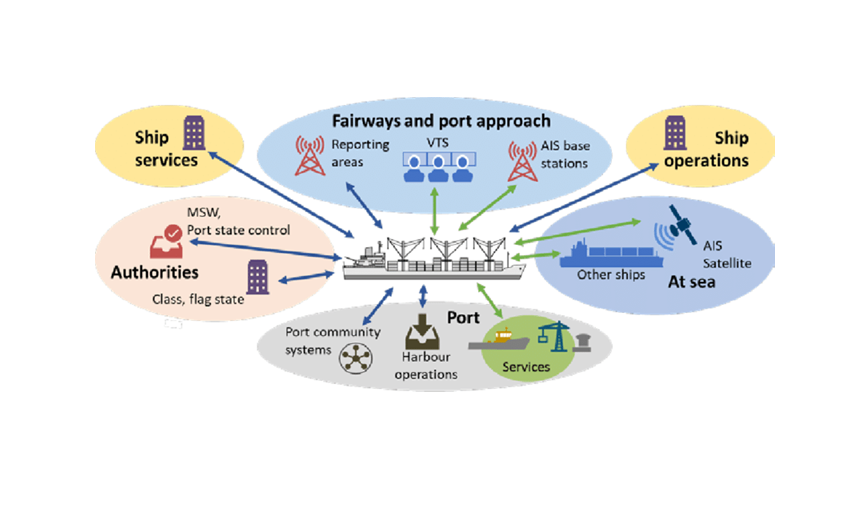
In today’s global maritime industry, efficient and reliable communication infrastructure is not just a convenience—it’s a necessity. Whether it’s ensuring safety, enhancing operational efficiency, or enabling ship-to-shore coordination, a robust maritime communication network is indispensable. At ftron, we specialize in providing cutting-edge solutions that span satellite links, VHF systems, and integrated digital platforms designed for modern fleets.
Key Components of Maritime Communication Infrastructure
- Satellite Communication (SATCOM): Offers global coverage, vital for vessels in open ocean. Technologies include VSAT, Inmarsat, and Iridium systems.
- VHF Radio Networks: Primarily used for short-range communication, vessel traffic services (VTS), and emergency signaling.
- Marine AIS (Automatic Identification System): Allows mutual vessel tracking and data exchange.
- GMDSS (Global Maritime Distress and Safety System): Enables automated distress alerts via MF/HF, EPIRBs, and digital selective calling (DSC).
- Onboard Wi‑Fi & LAN: Crew welfare and internal operations rely on reliable, local networking.
Benefits of a Modern Maritime Network
- Safety First: Rapid distress messaging and real-time alerts reduce response times.
- Operational Efficiency: Real-time data exchange supports navigation, weather routing, and logistics.
- Crew Wellbeing: Onboard connectivity enhances morale via video calls, email, and social media access.
- Regulatory Compliance: Systems like GMDSS are mandatory under SOLAS for almost all commercial vessels.
- Cost Savings: Improved fuel efficiency, predictive maintenance, and reduced idle time thanks to continuous data flow.
Our ftron Infrastructure Solutions
At ftron, we offer tiered solutions tailored to your vessel’s needs:
- Global SATCOM Packages: Plans with Ku-band or L-band to match your route profiles.
- Shore-to-Ship Connectivity: Coastal VSAT networks ensuring uninterrupted data flow nearshore.
- Integrated Safety Systems: Seamless GMDSS installation and maintenance.
- Onboard Wi‑Fi & LAN: Secure, scalable digital infrastructure for crew and operations.
- 24/7 Support & Monitoring: Proactive health checks and round‑the‑clock technical support.
Why Choose ftron?
As a specialized provider, ftron offers:
- Decades of maritime telecom expertise.
- Solutions compliant with SOLAS / GMDSS regulations.
- Custom configurations for merchant, fishing, and offshore vessels.
- Competitive pricing and flexible contracts.
- Global technical field support.
Real‑World Use Cases
From transoceanic cargo ships to offshore supply vessels, our clients rely on ftron for:
- Continuous weather and sea-state updates via SATCOM for safer navigation.
- Emergency distress signaling integrated into bridge systems.
- Telemedicine and morale-boosting crew communications through high-speed internet.
- Automated route adjustments using real-time data analytics.
FAQs on Maritime Communication Infrastructure
- 1. What is maritime communication infrastructure?
- It’s an integrated network of satellite, radio, AIS, and distress systems enabling ship‑to‑ship and ship‑to‑shore connectivity.
- 2. Why is SATCOM critical at sea?
- Because conventional cellular networks don’t reach mid‑ocean, SATCOM fills that gap with global coverage.
- 3. What frequencies do VHF radios use?
- Marine VHF operates between 156–162 MHz, used for short-range operations and emergencies.
- 4. Is GMDSS mandatory on all vessels?
- Most commercial ships under SOLAS must carry GMDSS-compliant systems, including MF/HF, DSC, and EPIRBs.
- 5. How do AIS systems improve safety?
- AIS broadcasts vessel ID, position, speed, and heading to nearby ships and VTS centers.
- 6. Do you provide installation services?
- Yes, we handle full installation, calibration, and commissioning globally.
- 7. Can crews use onboard Wi‑Fi securely?
- Absolutely—our Wi‑Fi networks are isolated with firewalls and filtering options.
- 8. How often should systems be maintained?
- We recommend quarterly health checks and annual GMDSS recertification.
- 9. What support do you offer?
- 24/7 remote monitoring plus field technician dispatch wherever the vessel operates.
- 10. Can you retrofit old vessels?
- Yes, we specialize in retrofitting legacy ships with minimal downtime.
- 11. What are typical costs?
- Pricing depends on vessel size, systems chosen, and data volume—but we offer transparent tiered plans.
Implementing a modern maritime communication infrastructure is more than a convenience—it’s a lifeline. Contact ftron today to explore bespoke solutions tailored to your vessel and voyage profile.
